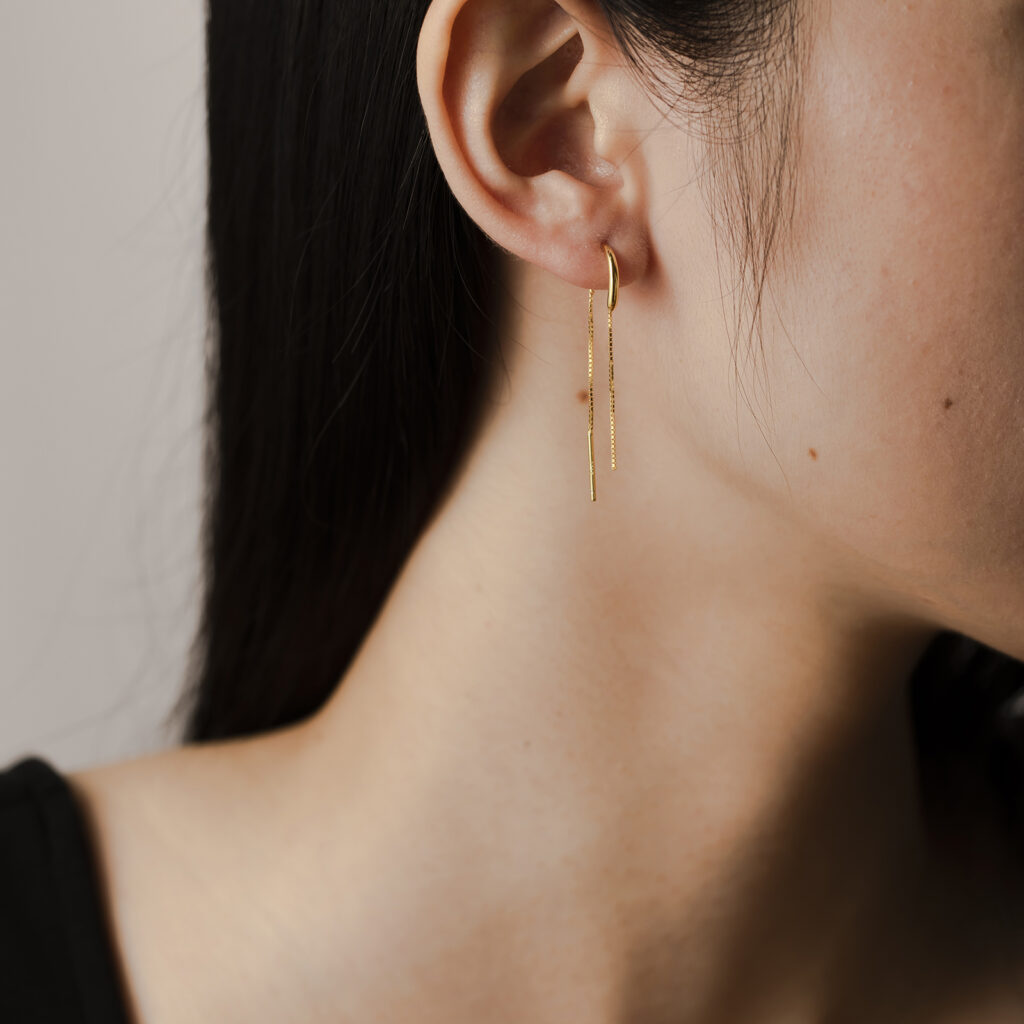
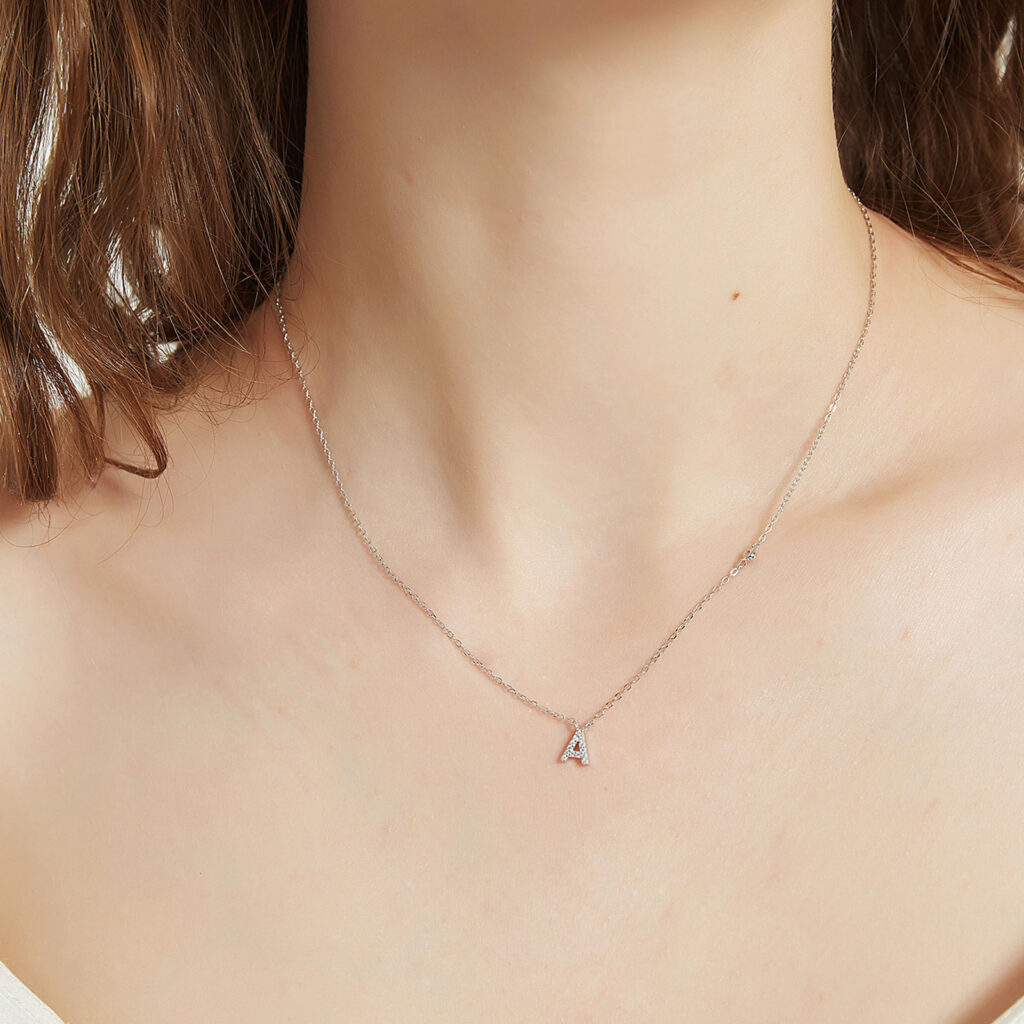
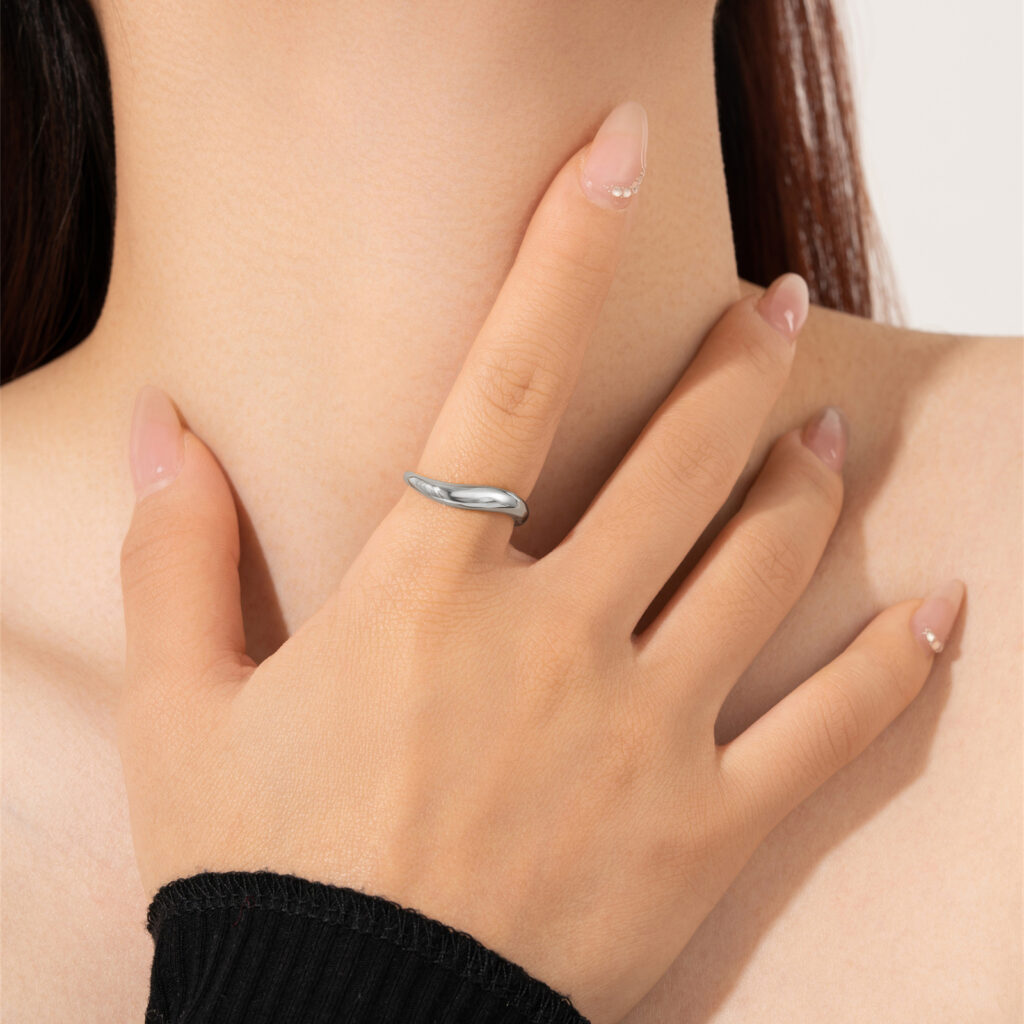
925 silver jewelry has become a popular choice in the jewelry market due to its outstanding cost-effectiveness, appearance and durability. Its advantages stem from a scientific production process, and every link from raw materials to finished product inspection focuses on “low cost, high aesthetics and strong practicality”.
1. Raw Material Proportioning
925 silver is a mixture of pure silver and other metals in a specific ratio, which controls costs and ensures durability from the source. The unit price of other metals is lower than that of pure silver, reducing raw material expenditure; at the same time, it increases the hardness of silver, avoiding the problem of pure silver being easily deformed and laying a foundation for subsequent processing. The industry uses professional instruments to test purity and ensure accurate proportioning.
2. 3D Modeling and Mold Making
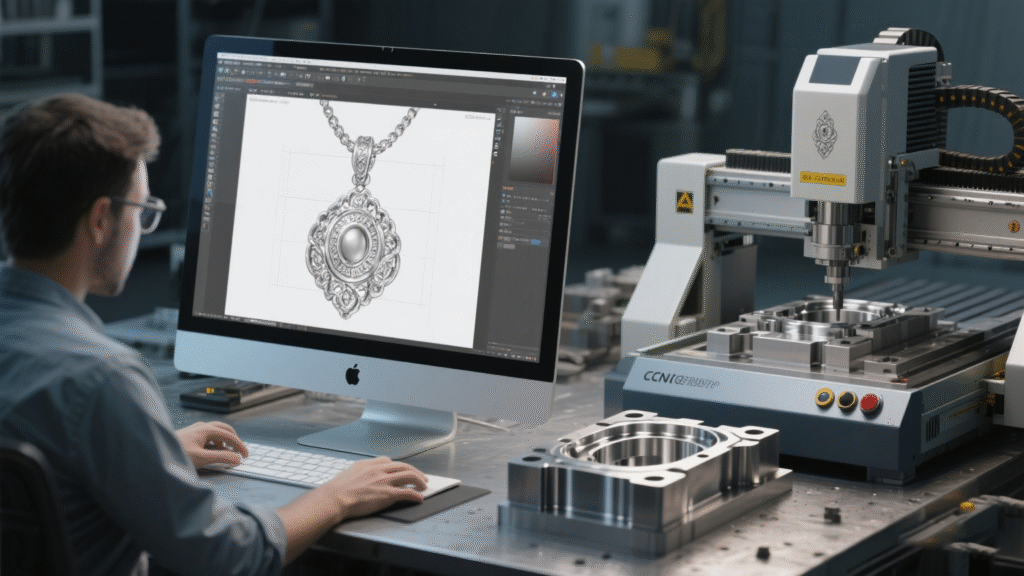
Modern production mainly relies on 3D modeling combined with mechanized mold making. 3D software enables high design efficiency and low modification costs. CNC engraving machines produce molds in batches, which can share costs and are more economical and efficient compared with traditional manual mold making. 3D modeling can present fine details and realize complex shapes; it can also simulate polishing effects to optimize appearance and reduce rework.
3. Casting and Forming
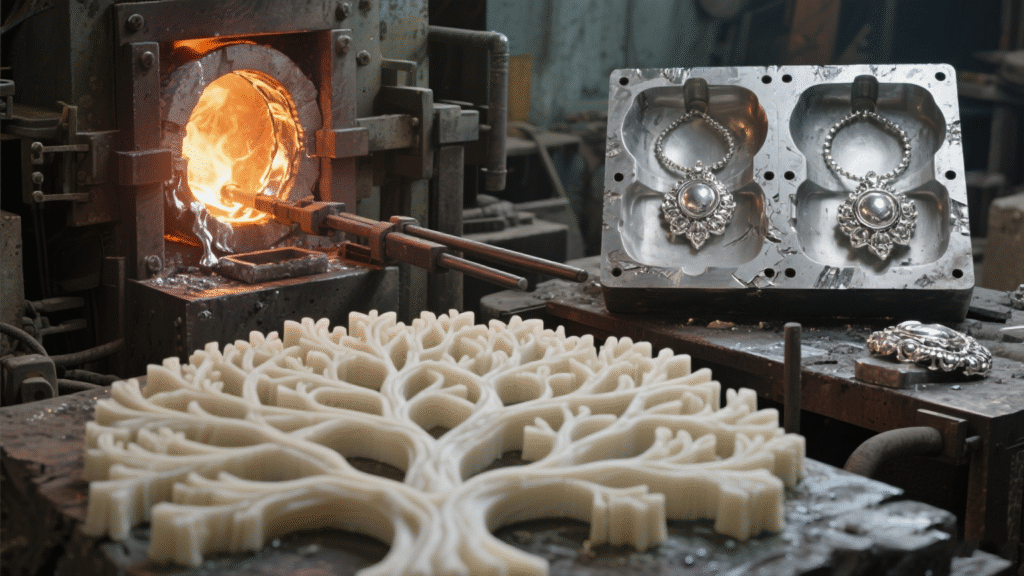
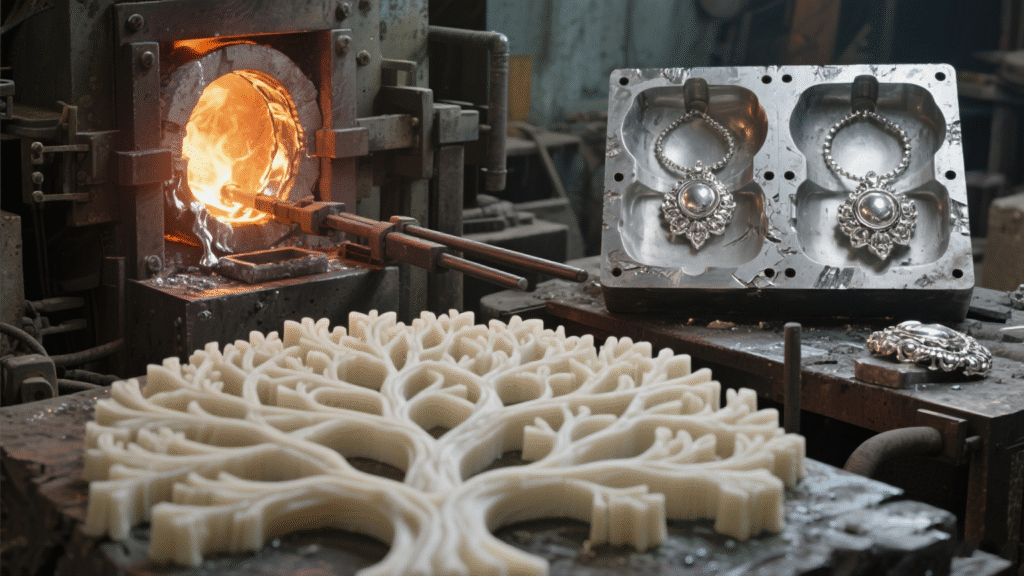
The lost-wax casting method is mostly adopted. Wax molds are assembled and then cast in batches to improve efficiency. The melting point of 925 silver alloy is lower than that of pure silver, reducing energy consumption. Pressure casting is used to reduce air bubbles in silver materials, ensuring structural density. Key parts are specially designed to enhance load-bearing capacity and improve the durability of jewelry. In addition, the utilization rate of silver materials is high, reducing waste.
4. Polishing and Electroplating

Ultrasonic polishing machines combined with polishing wheels of different grades achieve a bright appearance of jewelry at low cost. Rhodium plating is mostly used in electroplating; a small amount of coating can make silver jewelry show a high-quality luster and also prevent oxidation. The rhodium coating has high hardness, which can resist scratches. The pretreatment before electroplating ensures strong adhesion of the coating and prolongs the service life of jewelry.
5. Finished Product Inspection
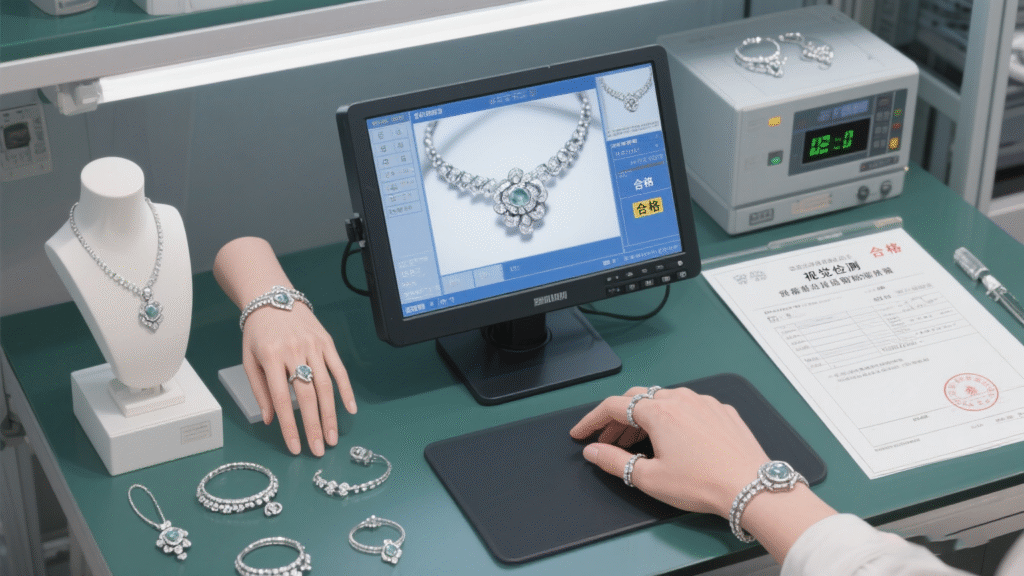
A combination of full inspection and sampling inspection is adopted. Visual inspection instruments efficiently identify appearance problems, and sampling inspection is conducted on key indicators to control inspection costs. The inspection specifies detailed standards for jewelry to ensure comfortable wearing and prevent easy falling off; it also tests sweat corrosion resistance to ensure quality.
Through scientific methods, the production process of 925 silver jewelry achieves high cost-effectiveness, meets the needs of consumers and merchants, and becomes a mainstream product in the market.