As of 19:00 on March 30, 2026, the domestic silver T+D price stood at 17,560 yuan per kilogram; the main Shanghai silver contract closed at 17,707 yuan per kilogram on the same day, rising 482 yuan or 2.80% from the previous trading day. This marked an end to the previous continuous downward trend with a slight rebound, though the overall price remained in the low range since March. Looking back at the entire March market, silver prices came under sustained pressure from a high of 23,000 yuan per kilogram on March 10, hit a yearly low of 15,070 yuan per kilogram on March 23, and then gradually rebounded. By March 30, the cumulative monthly decline exceeded 23%, showing significant short-term volatility.
Regarding the subsequent trend, in the short term, affected by the lower-than-expected U.S. CPI and non-farm payroll data, the market has repriced interest rate cut expectations, and silver prices may maintain a volatile rebound trend. However, due to the continued high interest rate policy of the Federal Reserve, the rebound space is limited, and it is likely to fluctuate and build a bottom in the range of 16,500-17,500 yuan per kilogram. From a medium-to-long-term perspective, the rigid growth trend of silver’s industrial demand remains unchanged, and the core pattern of a global silver supply gap for six consecutive years and inventories at a ten-year low has not changed. After this correction, silver prices are expected to gradually return to fundamentals and usher in a technical correction.
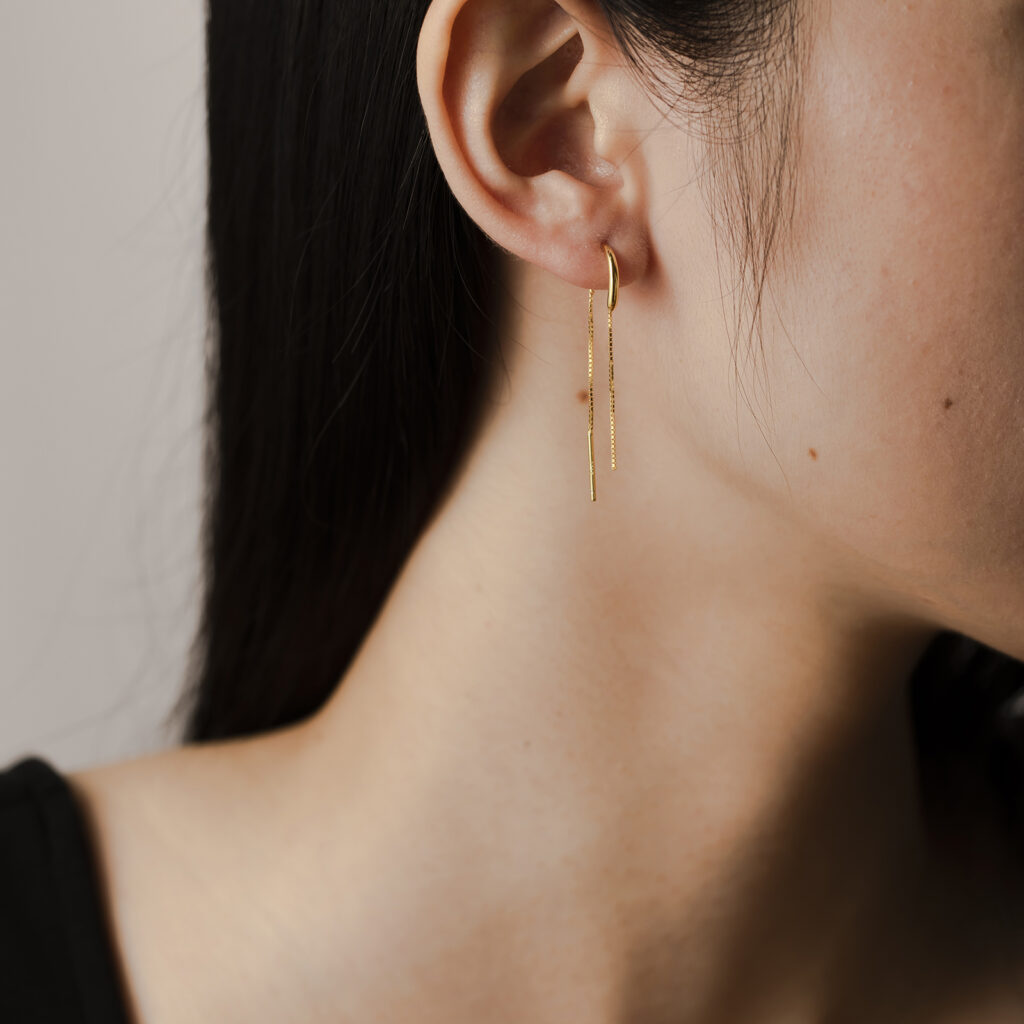
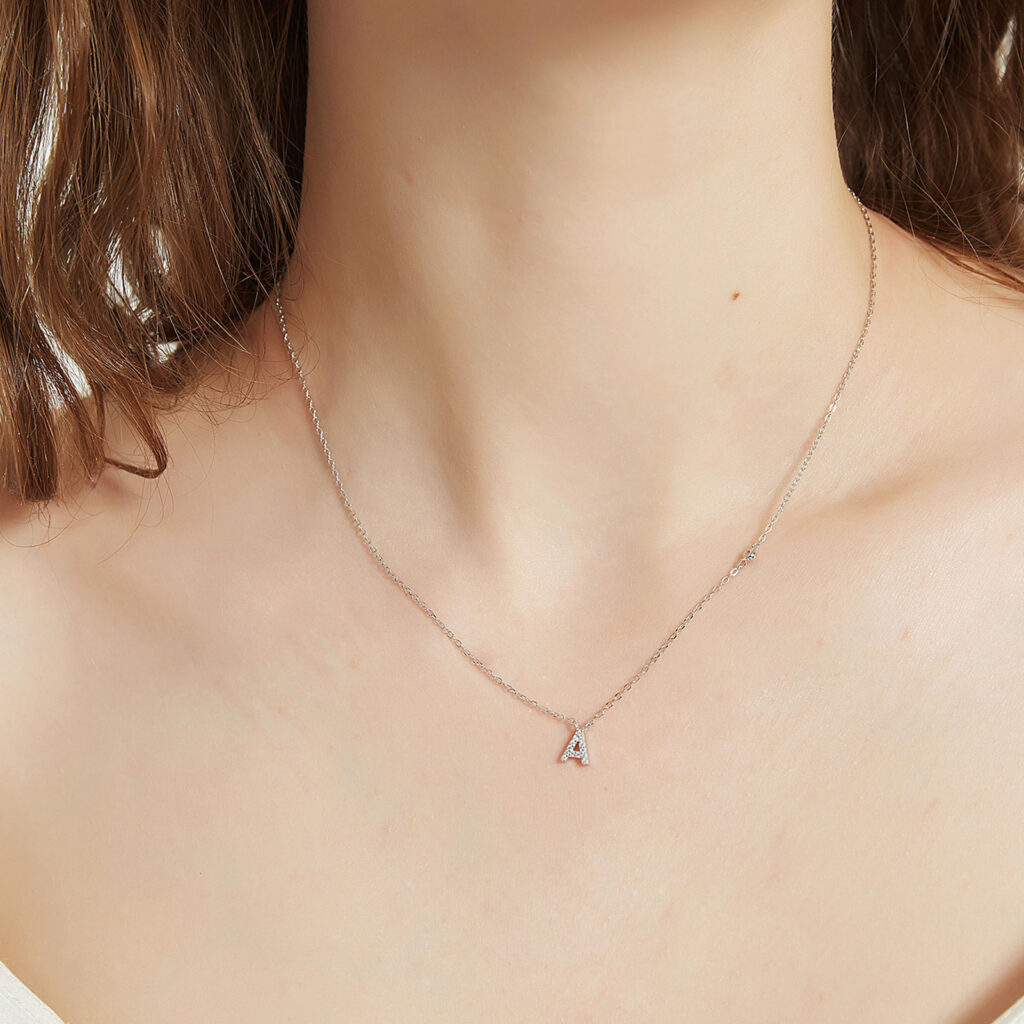
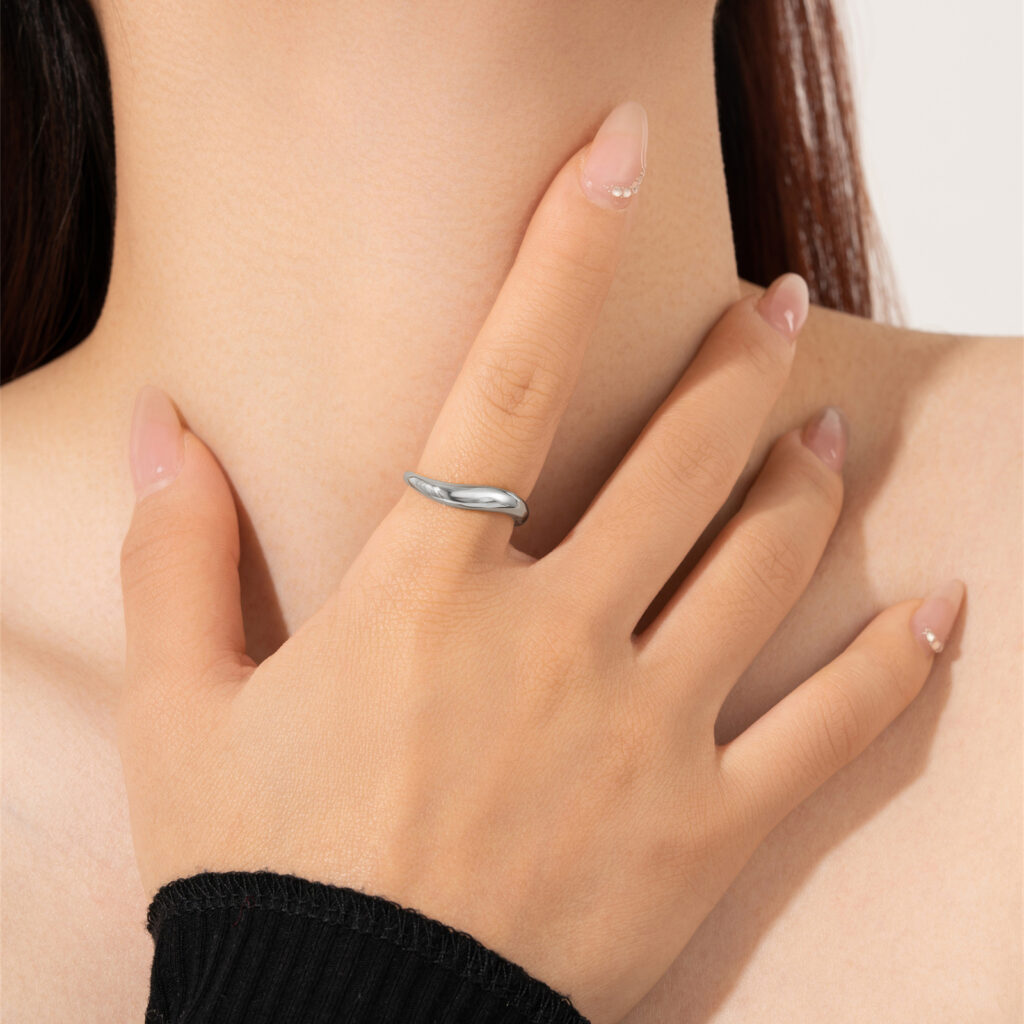
For the silver jewelry market concerned by most consumers, the sharp fluctuations in silver prices in March did not directly drive synchronous adjustments in terminal retail prices. Currently, the retail price of branded silver jewelry remains stable at 23-47 yuan per gram, because the price of silver jewelry includes not only raw material costs but also core premiums such as design and craftsmanship. In the short term, most consumers adopt a wait-and-see attitude, waiting for retail prices to adjust with changes in raw material prices. In the long run, the decline in raw material costs brought about by the March silver price correction will effectively ease the cost pressure on merchants, which may promote niche silver jewelry brands to launch promotional activities, and at the same time lower the pricing threshold for entry-level silver jewelry, thereby driving a gradual recovery in terminal consumption. Here, it is recommended that ordinary consumers wait rationally and buy on demand, while investors should deploy cautiously and guard against short-term volatility risks.