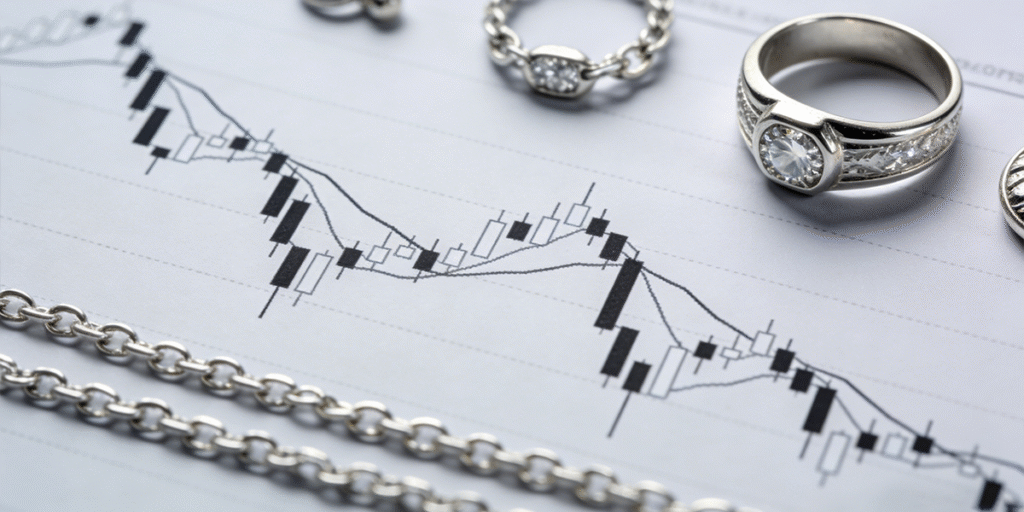
As of March 20, 2026, silver prices have been under continuous pressure, with the spot price of London Silver standing at $74.176 per ounce and the New York Silver futures price at $74.225 per ounce. Since the start of March, London Silver has dropped more than 13%, a sharp decline from its historical high of $117.70 per ounce on January 27, 2026. The downturn is mainly driven by the Federal Reserve’s hawkish stance, fading interest rate cut expectations, and a stronger US dollar, which have suppressed the appeal of silver as a non-interest-bearing precious metal.
For the subsequent trend, the short term (from late March to early April 2026) is likely to remain a volatile pattern. The Fed’s monetary policy and the situation in the Middle East are key variables; if interest rate cuts are delayed, silver prices may continue to weaken and hover around $72-$75 per ounce. In the long run, the global silver market has been in structural deficit for six consecutive years, and rising industrial demand will provide support for the price center, with the World Bank predicting an average silver price of $41 per ounce in 2026.
For the European and American silver jewelry market, the impact is mixed. Falling raw material prices have not led to a synchronized drop in retail prices, as the selling price includes design and craftsmanship premiums, leading to increased consumer wait-and-see sentiment. However, silver jewelry, favored by young people aged 18-35 for its affordability, may see a demand boost for minimalist styles. Meanwhile, the underdeveloped silver recycling market in some regions further weakens its investment attribute, while brands may leverage lower costs to launch promotional activities to stimulate consumption.